आर्टिफिशियल इंटेलिजेंस (एआई) और होम्योपैथी, दो अलग-अलग क्षेत्र, एक आश्चर्यजनक तालमेल में एक साथ आ रहे हैं जो उपचार की दुनिया में क्रांति लाने का वादा करता है। अत्याधुनिक तकनीक और पारंपरिक चिकित्सा का यह अनूठा मिश्रण होम्योपैथिक उपचारों की प्रभावशीलता को बढ़ाने, उन्हें अधिक व्यक्तिगत, सटीक और शक्तिशाली बनाने के लिए तैयार है। आर्टिफिशियल इंटेलिजेंस, विशाल मात्रा में डेटा का विश्लेषण करने और पैटर्न की पहचान करने की क्षमता के साथ, होम्योपैथी में नई अंतर्दृष्टि को अनलॉक करने के लिए उपयोग किया जा रहा है। ‘जैसा इलाज वैसा’ के सिद्धांत पर आधारित यह सदियों पुरानी चिकित्सा प्रणाली हमेशा व्यक्तिगत उपचार के बारे में रही है। प्रत्येक रोगी अद्वितीय है, और उनका उपचार भी अद्वितीय है। एआई, अपने उन्नत एल्गोरिदम और मशीन सीखने की क्षमताओं के साथ, इस वैयक्तिकरण को एक नए स्तर पर ले जा सकता है।
होम्योपैथी में एआई का अनुप्रयोग रोगी डेटा से शुरू होता है। किसी मरीज के चिकित्सा इतिहास, लक्षण, जीवनशैली और आनुवंशिक कारकों का विश्लेषण करके, एआई होम्योपैथ को सबसे प्रभावी उपचार की पहचान करने में मदद कर सकता है। यह प्रक्रिया, जो परंपरागत रूप से अभ्यासकर्ता के अनुभव और अंतर्ज्ञान पर निर्भर करती है, को एआई की डेटा-संचालित अंतर्दृष्टि के साथ महत्वपूर्ण रूप से बढ़ाया जा सकता है। परिणाम एक अधिक सटीक और वैयक्तिकृत उपचार योजना है, जो रोगी की विशिष्ट आवश्यकताओं और स्थितियों के अनुरूप है।
इसके अलावा, एआई होम्योपैथों को यह अनुमान लगाने में मदद कर सकता है कि कोई मरीज किसी विशेष उपाय पर कैसे प्रतिक्रिया दे सकता है। हजारों समान मामलों के डेटा का विश्लेषण करके, एआई उन पैटर्न और रुझानों की पहचान कर सकता है जो उपचार प्रक्रिया का मार्गदर्शन कर सकते हैं। यह पूर्वानुमानित क्षमता होम्योपैथिक उपचारों की सफलता दर में काफी सुधार कर सकती है, परीक्षण और त्रुटि को कम कर सकती है और चिकित्सक और रोगी दोनों के लिए मूल्यवान समय बचा सकती है।
होम्योपैथी में एआई की क्षमता केवल मौजूदा प्रथाओं को बढ़ाने के बारे में नहीं है। यह अनुसंधान और विकास के लिए नई संभावनाएं भी खोलता है। क्लिनिकल परीक्षणों और वास्तविक दुनिया के मामलों से बड़ी मात्रा में डेटा का विश्लेषण करके, एआई शोधकर्ताओं को नए उपचार और उपचार रणनीतियों की पहचान करने में मदद कर सकता है। इससे अधिक प्रभावी और शक्तिशाली होम्योपैथिक दवाओं की खोज हो सकती है, जिससे चिकित्सा की इस पारंपरिक प्रणाली का दायरा और पहुंच और बढ़ जाएगी।
इसके अलावा, एआई मरीजों को शिक्षित और सशक्त बनाने में भी महत्वपूर्ण भूमिका निभा सकता है। एआई-संचालित ऐप्स और प्लेटफ़ॉर्म मरीजों को व्यक्तिगत स्वास्थ्य सलाह प्रदान कर सकते हैं, उनके लक्षणों और उपचार की प्रगति को ट्रैक करने में मदद कर सकते हैं और यहां तक कि उन्हें ऑनलाइन परामर्श के लिए होम्योपैथ से भी जोड़ सकते हैं। यह होम्योपैथिक उपचार को अधिक सुलभ और सुविधाजनक बना सकता है, खासकर उन लोगों के लिए जो दूरदराज के इलाकों में रहते हैं या स्वास्थ्य सेवाओं तक सीमित पहुंच रखते हैं।
एआई और होम्योपैथी के बीच तालमेल अंतःविषय सहयोग की शक्ति का प्रमाण है। आधुनिक प्रौद्योगिकी और पारंपरिक चिकित्सा की शक्तियों को मिलाकर, हम उपचार की एक अधिक प्रभावी, व्यक्तिगत और सुलभ प्रणाली बना सकते हैं। यह सिर्फ होम्योपैथी में सुधार के बारे में नहीं है; यह समग्र रूप से स्वास्थ्य सेवा को बदलने के बारे में है।
हालाँकि, यह तालमेल चुनौतियाँ भी लाता है। स्वास्थ्य देखभाल में एआई का उपयोग डेटा गोपनीयता और सुरक्षा, एल्गोरिथम पूर्वाग्रह और चिकित्सा में मानव स्पर्श के संभावित नुकसान के मुद्दों को उठाता है। ये जटिल मुद्दे हैं जिन पर सावधानीपूर्वक विचार और विनियमन की आवश्यकता है। लेकिन सही दृष्टिकोण के साथ, इन चुनौतियों का प्रबंधन किया जा सकता है, और एआई और होम्योपैथी के लाभों का व्यापक लाभ के लिए उपयोग किया जा सकता है।
निष्कर्षतः, एआई और होम्योपैथी का मेल चिकित्सा की दुनिया में एक आशाजनक विकास है। यह परंपरा और नवीनता, मानव अंतर्ज्ञान और मशीन बुद्धि का एक अनूठा मिश्रण दर्शाता है। यह उपचार में बनी जोड़ी है, और यह तो बस शुरुआत है। जैसे-जैसे एआई का विकास जारी है और होम्योपैथी अपनी प्रभावशीलता साबित कर रही है, यह तालमेल स्वास्थ्य सेवा में एक नया युग बनाने के लिए तैयार है, जो पहले से कहीं अधिक व्यक्तिगत, सटीक और शक्तिशाली है।
यह पत्र धम्मगिरि पर 1986 ई. में आयोजित विपश्यना सेमिनार में उपस्थापित किया गया।
[The following was presented as a paper at the Vipassana Seminar held at Dhamma Giri in 1986; it has been duly revised and updated.]
चित्त या मन को नियंत्रित करने की जो पारंपरिक विधियां हैं उनका एक आधुनिक रूपान्तरण विपश्यना ध्यान विधि है जो आम जनता तथा मानसिक स्वास्थ्य क्षेत्र में काम करने वालों में बहुत ही लोकप्रिय है
. विपस्सना पालि भाषा का शब्द है जिसका अर्थ होता है ‘प्रज्ञा’ या अन्तर्ज्ञान। यह आत्मपर्यवेक्षण से आत्मरूपान्तरण की प्रणाली है। इसका उद्देश्य है अंततः मानसिक संतुलन तथा समता प्राप्त करना (थ्रे सिदु सयाजी ऊ बा खिन, 1963) और अपने तथा औरों के लिए ऐसा जीवन जीना जो सबों के लिए लाभदायक हो (स. ना. गोयन्का, 1990)
आत्ममुक्ति के लिए ध्यान का अभ्यास विभिन्न संस्कृतियों में अपने अध्यात्म के संदर्भ में धार्मिक समूहों के सदस्यों द्वारा अपने समूह के सदस्यों के लिए विकसित किया गया । बुद्ध की शिक्षा में मनोवैज्ञानिक प्रणाली के साथ-साथ एक ब्रह्मांड विज्ञान है ( कुटज. 1, बोरिसेंको जे. जे. एण्ड वेनसन एच 1985)। इसे अभिधम्म कहा जाता है जो बहुत ही सुव्यवस्थित किंतु जटिल तरीके से व्याख्यायित है। इसमें मानसिक व्यापार क्रिया को समझने के लिए एक प्रत्यय समूह का उपस्थापन किया गया है तथा मानसिक विकार को ठीक करने का तरीका भी है जो आधुनिक मनश्चिकित्साओं के दृष्टिकोण से एकदम भिन्न है (गोलमैन. डी. 1977)
मन का अभिधम्म मॉडेलः
मानसिक क्रिया का नमूना मोटे तौर पर ‘वस्तु संबंध’ का सिद्धांत है, इसकी मूल गतिशीलता संवेदी वस्तुओं के साथ मानसिक अवस्थाओं का नित नवीन सबंध होना है। पांच इन्द्रियां अपने-अपने विषयों को जैसे रूप, शब्द आदि जानती हैं और छठे इन्द्रिय धर्म को जानती है। मानसिक अवस्थाएं या चित्त सतत परिवर्तनशील है।
इस विश्लेषण में मानसिक अवस्था की सबसे छोटी इकाई चित्तक्षण का जो बोध या ज्ञान का क्षण है परिवर्तन दर अविश्वनीय रूप से तेज है, इतनी तेज कि जितनी देर में बिजली कौंधे, उतनी देर में वह दस लाख बार उत्पन्न होती है।
हर एक के बाद दूसरा उत्पन्न होने वाला चित्त कछ विशेष गुणों से बना होता है। चित्त में चैतसिक होते हैं जो उसे सुस्पष्ट प्रत्यक्षज्ञानात्मक लक्षण प्रदान करते हैं। इन गुणों की 52 मूल संज्ञानात्मक और भावात्मक श्रेणियां हैं (नारद थेर, 1968) चैतसिकों को मूलतः कुशल और अकुशल दो भागों में बाँटा जाता है। ठीक जैसे सिस्टेमिक डिसेन्सीटाईजेशन में, जहां तनाव इसके शारीरिक प्रतिपक्ष विश्राम द्वारा दूर किया जाता है, स्वस्थ स्थितियां अस्वस्थ स्थितियों की विरोधी हैं और उन्हें रोकती हैं। विपश्यना का उद्देश्य अस्वस्थ गुणों को, विकारों को मन से निर्मूल करना है। मानसिक स्वास्थ्य की ऑपरेशनल परिभाषा उनका सर्वथा अभाव होना है, जैसा अर्हत में होता है (गोलमैन. डी. 1977) (इसकी)
प्रक्रिया तथा मनोवैज्ञानिक प्रभावः
“जो भी धर्म मन में उत्पन्न होता है उसके साथ-साथ शरीर में संवेदना होती है।” बुद्ध ने कहा वेदना समोसरणा सब्बेधम्मा | मन और शरीर का यह संबंध ही विपश्यना साधना के अभ्यास की कुंजी है। विपश्यना एकाग्र मन को प्रशिक्षित करती है ताकि वह निरपेक्ष भाव से अर्थात उपेक्षा भाव से शरीर पर होने वाली संवेदनाओं का आधार लेकर मेंटल प्रोसेसिंग मेकेनिक्स का अनुगमन करे। किसी दर्शक का यह परिप्रेक्ष्य मन में अतीत तथा भविष्य में होने वाले धर्म जैसे राग और द्वेष को नियंत्रित मुक्ति की अनुमति देता है जो स्मृति ‘इच्छा’ विचार, वार्तालाप, दृश्य, इच्छाएं भय तथा आसक्ति के अंतहीन प्रवाह के रूप में प्रकट होते हैं। मन के धरातल पर हजारों हजार हर प्रकार के राग द्वारा प्रेरित दृश्य उभरते हैं और बिना प्रतिक्रिया जगाये समाप्त हो जाते हैं और साथ ही उस व्यक्ति को वर्तमान की सच्चाई में स्थिर किये रहते हैं। (फ्लेशमेन. पी. डी. 1986)
ध्यान मन की कंडीशनिंग क्रिया को बदल करके डीकंडीशन करता है ताकि यह भविष्य के कर्मों का प्रधान निर्धारक नहीं हो (गोलमैन डी. 1977)
स्मृति का परिष्करण होता है और जीवन में जो भी स्थितियां आती हैं उनका जान-बूझ कर सामना किया जाता है। इस तरह जो सीमाएं हैं और जो परिस्थितियों की प्रतिक्रिया करके बनी थीं, उनसे मुक्त होता है। जीवन में अधिक मात्रा में जागरूकता आती है, सच्चाई को जानने लगता है तथा माया को दूर करता है। आत्म संयम और शांति बढ़ जाती है (फ्लेशमेन पी. 1986) ऐसा व्यक्ति शीघ्र निर्णय लेने के योग्य बनता है वह निर्णय जो ठीक और सही होगा और वह संगठित प्रयत्न कर सकता है जो मानसिक योग्यताओं को बढ़ा आधुनिक जीवन में सफलता प्राप्त करने में सहायता करेगी।
विपश्यना, स्वास्थ्य और डॉक्टरः अनुसंधान पुनर्विलोकनः
बहुत से आंकड़े (डाटा) प्राप्त हैं, जिनसे प्रमाणित हो जाता है कि विपश्यना ध्यान के अभ्यास से बहुत प्रकार के जैव मनोसामाजिक लाभ मिलते हैं। इससे विपश्यना की चिकित्सकीय अंतःशक्ति कितनी है- इसका भी पता चलता है। उदाहरणार्थ बहुत से रोगियों की रिपोर्टों का अध्ययन किया गया है जो विपश्यना के सकारात्मक प्रभावों को बताते हैं। ये परिणाम विभिन्न क्षेत्रों में पाये जाते हैं जैसे मनोकायिक रोगों में जैसे- पुराना दर्द, सर दर्द, उच्च रक्तचाप, पेपटिक अल्सर, सरदर्द, bronchial asthma (श्वसनी दमा), खाज आदि और ऐसा ही भिन्न-भिन्न मानसिक रोगों में जैसे शराब पीने की आदत या नशे की गोली संवेदन भेदक दवाओं का आदी। इसका अच्छा प्रभाव मानसिक रोगों पर भी पड़ता है जिसमें शराब तथा ड्रग के आदी लोग सम्मिलित हैं। विपस्सना का अच्छा प्रभाव विशेष समूहों में भी देखा गया जैसे- विद्यार्थी, कैदी, पुलिस विभाग के कर्मचारी और वैसे व्यक्ति जो पुराने दर्द तथा अन्य मानसिक रोगों से पीड़ित हैं—
जो भी हो, रोग से मुक्ति नहीं, बल्कि मानवीय दुःख का आवश्यक उपचार हो- यही विपश्यना का उद्देश्य है। दुःख का स्रोत है अविद्या अर्थात अपने सच्चे स्वभाव को न जानना। प्रज्ञा- आनुभूतिक स्तर पर सच्चाई का ज्ञान ही किसी को मुक्त कर सकती है (फ्लेशमेन पी. 1997) ‘स्वयं को जानो’- सभी ज्ञानी जनों ने कहा है। विपश्यना अपने मन और शरीर की सच्चाई को जानने का एक व्यावहारिक रास्ता है।
काया तथा मन में गहरी दबी उन समस्यायों का पता लगाने तथा उनसे मुक्त होने की जो अप्रयुक्त अन्तःशक्ति है, उसको विकसित करना है एवं अपने लिए तथा अन्यों के लिए इसको उचित माध्यम बनाना ही विपश्यना है।
उपचार की आवश्यकता सबको है, सबसे अधिक आवश्यकता तो स्वयं डॉक्टरों को है। ‘डॉ. अपना उपचार आप करो’- यह एक प्रसिद्ध कहावत है। फ्रायड एवं जुंग ने इस बात पर जोर दिया था कि विश्लेषण करने वाले को अपना विश्लेषण स्वयं करना चाहिए। जो कोमलता और करुणा किसी उपचार करने वाले को जीवन पर्यंत उपचार करने के पथ पर लाती है, जिसका मानवीय दुःखों से सतत पाला पड़ता है, वे उसे अपना इलाज करने को आवश्यक बनाती है।
उपचार की आवश्यकता सबको है, सबसे अधिक आवश्यकता तो स्वयं डॉक्टरों को है। ‘डॉ. अपना उपचार आप करो’- यह एक प्रसिद्ध कहावत है। फ्रायड एवं जुंग ने इस बात पर जोर दिया था कि विश्लेषण करने वाले को अपना विश्लेषण स्वयं करना चाहिए। जो कोमलता और करुणा किसी उपचार करने वाले को जीवन पर्यंत उपचार करने के पथ पर लाती है, जिसका मानवीय दुःखों से सतत पाला पड़ता है, वे उसे अपना इलाज करने को आवश्यक बनाती है। विपश्यना विभिन्न प्रकार की चिकित्सा पद्धतियों को स्वीकार्य है तथा प्रासंगिक है क्योंकि यह हठधर्मिता से मुक्त है, अनुभव पर आधारित है, इसका केंद्र बिन्दु मानवीय दु:ख तथा इससे छुटकारा पाना है। इसके अभ्यास से, चिकित्सक अपनी स्वायत्तता तथा आत्मज्ञान को बढ़ाते हैं, साथ ही साथ वे अन्यों के लिए उनके जीवन के शोरगुल में उनकी योग्यता की वृद्धि करने में सहारा बनते हैं। विपश्यना वस्तुतः सभी प्रकार के उपचारों जिनमें आत्मोपचार तथा अन्य उपचार भी शामिल हैं, का मार्ग है (फ्लेशमेन 1991)
हम लोग पाते हैं कि अधिकतर आनुभविक शोध का संबंध इस बात को देखना है कि स्वतः नियामक योजना के रूप में विपश्यना ध्यान शारीरिक तथा आचरणिक उपायों के प्रयोग से संबंधित है।
विपश्यना के चिर प्रतिष्ठित परिप्रेक्ष्य पर भी ध्यान देना आवश्यक है जो ध्यान द्वारा चित्त की बदली हुयी अवस्थाओं की घटना क्रिया का वैज्ञानिक पहलू है।
रोगविषयक प्रयोग के लिए नमूनाः
विपश्यना ध्यान की रोग विषयक उपयोगिता अधिकांशत: इस बात से संबंधित है कि वह किसी विशेष समस्या का समाधान न होकर सकारात्मक मानसिक अवस्थाएं विकसित करने के लिए साधारण मनोवैज्ञानिक ढांचा का प्रबंध करे। साधारणतया परंपरागत मनश्चिकित्साओं का सहारा किसी विशेष समस्या को दूर करने के लिए लिया जाता है। फिर भी लेखक एक संज्ञानात्मक (कॉगनिटिव) चिकित्सकीय प्रविधि का प्रयोग कर रहा है जो विपश्यना ध्यान से व्युत्पन्न है और जो अनुपूरक चिकित्सा के रूप में काम में लाया जाता है। लेखक ने तनाव प्रबंधन तथा भय और फोबिया को कम करने में इसे प्रभावी पाया है।
यह ध्यातव्य है कि चिकित्सक को विपश्यना ध्यान विधि से पूर्ण परिचित होना चाहिए और उसे स्वयं एक परिपक्व साधक होना चाहिए। विपश्यना की भाषा में कहें तो रोगी आनापान का अभ्यास करता है जबकि डॉक्टर मेत्ता ध्यान करता है।
औपचारिक चिकित्सा प्रारंभ करने के पूर्व चिकित्सक रोगी को विपश्यना के संभावित लाभ के बारे में विशेषकर विश्राम के बारे में बताता है। इससे यह होता है कि रोगी का भय कम हो जाता है और यह उसे उपचार में सक्रियता से भाग लेने तथा चिकित्सक को सहयोग देने के योग्य बनाता है। इसके अतिरिक्त इस बात को सुनिश्चित करना भी आवश्यक है कि विश्राम के लिए जो भौतिक वातावरण चाहिए वह वहां मिले अर्थात विपश्यना केंद्र पर जैसा वातावरण मिले, उसका कमरा भी शांत हो, आने-जाने वाले लोग कम हों और रोगी का विछावन पर्याप्त आरामदायक होना चाहिए।
रोगी को आराम से विछावन पर लेट जाने के लिए कहा जाता है, आंख मूंद कर आने-जाने वाली सास को ऊपर वाले ओठ के ऊपर और नासिका के नीचे छोटे से स्थान पर एकाग्रचित्त हो देखने के लिए कहा जाता है। सांस जैसी है उसी को देखना है, अंदर आती हुई सांस को. बाहर जाती सांस को। गहरी सांस हो या उथली, तेज सांस हो या धीमा; स्वाभाविक सांस को, सिर्फ सांस को देखने को कहा जाता है। जब उसका मन भागता है, उसे कहा जाता है कि वह फिर से उसी स्थान पर आती-जाती सांस को बार-बार देखे, बिना इस बात पर पश्चात्ताप किये कि उसका मन भाग गया था। मन भाग गया- इस बात से न तो वह घबड़ाये और न ही परेशान हो।
दो बातें घटती हैं- पहली उसका मन आतीजाती सांस पर एकाग्र हो जाता है और दूसरी वह इस बात से अवगत हो जाता है कि मानसिक अवस्था और सांस में संबंध है। मन में चाहे कुछ भी हो- क्रोध, घृणा, भय, राग आदि । सांस की जो प्राकृतिक गति है वह इनमें से किसी के होने पर अस्वाभाविक हो जाती है। वह तब सिर्फ अपने को पर्यवेक्षण करते हुए जागरूक रहता है, स्मृतिमान, सावधान और तटस्थ रहता है।
रोगी को स्वयं इस विधि का अभ्यास करने के लिए कहा जाता है, कम से कम दो बार दिन में सुबह और शाम कम से कम 30 मिनट के लिए। चिकित्सक रोगी को समय-समय पर जांच करता है और साथ ही साथ सलाह भी देता है और दसदिवसीय विपश्यना शिविर में भाग लेने के लिए प्रेरित करता है। रोगी को इस प्रकार उत्साहित किया जाता है, अपनी व्यक्तिगत स्वतंत्रता के लिए प्रयास करने को कहा जाता है और इस तरह उसको यह बताया जाता है कि वह स्वयं अपने स्वास्थ्य तथा अपने कल्याण के लिए जिम्मेवार बने।
उपसंहारः
मेरा यह दावा है कि यह विधि उपचार के समय को कम करती है और यह रोगी को समाज का अच्छी तरह से सामना करने के लिए एक पैटर्न ऑफ जेनरल स्ट्रेस रिस्पॉन्सॅबिलिटि देती है जो स्पेसीफिक ऑभर लर्नेड मेलएडेप्टिम रेसपोन्सेज को उत्पन्न करने की संभावना कम करती है चाहे वह प्रतिक्रिया मनोवैज्ञानिक हो या शारीरिक । इसके अतिरिक्त रोगी की आंतरिक अवस्था में परिवर्तन होता है जिससे उसका ध्यान केंद्रित होता है, उसकी बोधात्मक और प्रेरक प्रणाली आदर्श रूप में कार्य करती है और उसकी चिंता कम हो जाती है। इसके बावजूद यह होता है कि उसे बाह्य वातावरण से परिवर्तन होते रहने वाली मांग आती हैं, और यह वह करता है आत्म नियंत्रण से तथा विपश्यना ध्यान से आंतरिक क्षमता को विकसित करके।
अनेक प्रकार की मानसिक बीमारियों को रोकने तथा ठकि करने में इस विधि के महत्त्व तथा इसकी सीमा को अध्ययन करने में सोफिस्टिकेटेड एक्सपेरीमेन्टल डिजायन्स से मल्टिसेंटर्ड क्लिनिकल परीक्षण हमें सहायता करेगा। इस बात को भी यहां स्पष्ट करना चाहिए कि कौन रोगी किस क्लिनिकल प्रोब्लम वाला विपश्यना ध्यान से लाभान्वित होगा, विपश्यना ध्यान जो उसके च्वायस की विधि है विस-एविस अन्य सेल्फ रेगुलेशन स्ट्रेटेजी उदाहरण स्वरूप वायोफीड बेक, हिप्नोसिस, प्रोग्रेसिभ रिलेक्सेसन आदि।
बवासीर को आधुनिक सभ्यता का विकार कहें तो कॊई अतिश्योक्ति न होगी । खाने पीने मे अनिमियता , जंक फ़ूड का बढता हुआ चलन और व्यायाम का घटता महत्व , लेकिन और भी कई कारण हैं बवासीर के रोगियों के बढने में । तो सबसे पहले जाने बवासीर और उसके मूल कारण :
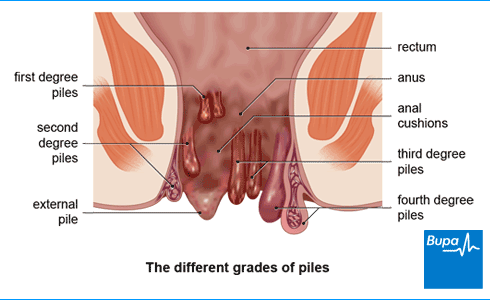
आंतों के अंतिम हिस्से या मलाशय की धमनी शिराओंके फ़ैलने को बवासीर कहा जाता है ।
बवासीर तीन प्रकर की हो सकती है
बाह्य पाइल्स: फ़ैली हुई धमनी शिराओं का मल द्वार से बाहर आना
आन्तरिक पाइल्स : फ़ैली हुई धमनी शिराओं का मल द्वार के अन्दर रहना
मिक्सड पाइल्स: भीतरी और बाहरी मस्से
कारण :
बहुत दिनों तक कब्ज की शिकायत रहना
सिरोसिस आफ़ लिवर
ह्र्दय की कुछ बीमारियाँ
मध, मांस, अण्डा, प्याज , लहसुन, मिर्चा, गरम मसाले से बनी सब्जियाँ, रात्रि जागरण , वंशागत रोग ।
मल त्याग के समय या मूत्र नली की बीमारी मे पेशाब करते समय काँखना
गर्भावस्था मे भ्रूण का दबाब पडना
डिस्पेपसिया और किसी जुलाब की गोली क अधिक दिनॊ तक सेवन करना ।
लक्षण
मलद्वार के आसपास खुजली होना
मल त्याग के समय कष्ट का आभास होना
मलद्वार के आसपास पीडायुक्त सूजन
मलत्याग के बाद रक्त का स्त्राव होना
मल्त्याग के बाद पूर्ण रुप से संतुष्टि न महसूस करना
बवासीर से बचाव के उपाय
कब्ज के निवारण पर अधिक ध्यान दें । इसके लिये :
अधिक मात्रा मे पानी पियें
रेशेदार खाध पदार्थ जैसे फ़ल , सब्जियाँ और अनाज लें | आटे मे से चोकर न हटायें ।
मलत्याग के समय जोर न लगायें
व्यायाम करें और शारिरिक गतिशीलता को बनाये रखें ।
अगर बवासीर के मस्सों मे अधिक सूजन और दर्द हो तो :
गुनगुने पानी की सिकाई करें या ’सिट्स बाथ’ लें । एक टब मे गुनगुना पानी इतनी मात्रा मे लें कि उसमे नितंब डूब जायें । इसमे २०-३० मि. बैठें ।
होम्योपैथिक उपचार :
किसी भी औषधि की सफ़लता रोगी की जीवन पद्दति पर निर्भर करती है । पेट के अधिकाशं रोगों मे रोगॊ अपने चिकित्सक पर सिर्फ़ दवा के सहारे तो निर्भर रहना चाहता है लेकिन परहेज से दूर भागता है । अक्सर देखा गया है कि काफ़ी लम्बे समय तक मर्ज के दबे रहने के बाद मर्ज दोबारा उभर कर आ जाता है अत: बवासीर के इलाज मे धैर्य और संयम की आवशयकता अधिक पडती है ।
नीचे दी गई औषधियाँ सिर्फ़ एक संकेत मात्र हैं , दवा पर हाथ आजमाने की कोशिश न करें , दवा के उचित चुनाव के लिये एक योग्य होम्योपैथिक चिकित्सक पर भरोसा करें ।
फ़्लो चार्ट को साफ़ और बडॆ आकार मे देखने के लिये चित्र पर किल्क करें ।
१. बवासीर के मस्सों मे तकलीफ़ और अधिक प्रदाह : aconite, ignatia,acid mur, aloes, chamomilla, bell,acid mur, paeonia
२. खुजलाहट : arsenic, carbo, ignatia, sulphur ३. स्ट्रैंगुलैशन : belladona,ignatia, nux
४.रक्तस्त्राव में : aconite, millifolium,haemmalis, cyanodon
५. मस्से कडॆ : sepia
६. बवासीर के मस्सों का बाहर निकलना पर आसानी से अन्दर चले जाना : ignatia
७. भीतर न जाना : arsenic, atropine, silicea, sulphur ८. कब्ज के साथ : alumina, collinsonia, lyco, nux, sulphur
९.अतिसार के साथ : aloes,podo,capsicum
१०. बच्चों मे बवासीर : ammonium carb, borax, collinsoniia, merc
११. गर्भावस्था मे बवासीर : lyco,nux, collinsonia , lachesis, nux
१२.शराबियों मे बवासीर : lachesis, nux
१३. वृद्धों मे बवासीर : ammonium carb , anacardium
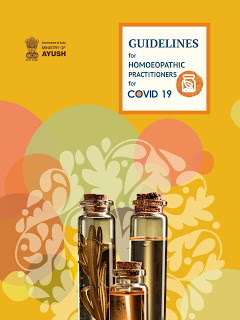
So far it was unclear that whether homeopathic practitioners can treat COVID-19 patients or not. Now the ministry has issued this guidelines stating that patients of COVID-19 are to be treated with adjuvant homoeopathic medicines with the permission from local health authorities and Medical Superintendent of the Hospital.
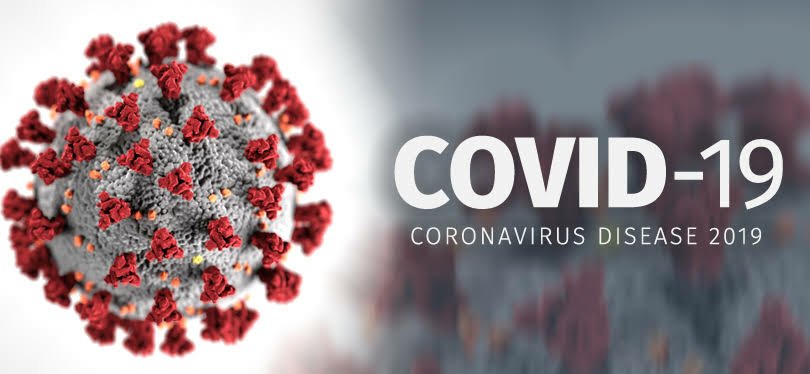
कलकत्ता में रहने वाले होम्योपैथिक चिकित्सक डॉ. मनीष अग्रवाल कोविड 19 महामारी कॆ प्रकोप के बाद से Genus Epidemics का अध्ययन कर रहे हैं। अपनॆ 4-भाग कॆ अध्ययन मॆ वह पश्चिमी चिकित्सा , जैव रसायन विज्ञान, विकृति विज्ञान, शरीर क्रिया विज्ञान, विष विज्ञान और होम्योपैथी के संदर्भ में मुद्दों की पड़ताल करते हैं। उन्होंने कोविद 19 के लक्षणों , होम्योपैथिक औषध विज्ञान और Arsenic album के विषाक्त लक्षणों के बीच एक मजबूत संबंध पाया। उनकी प्रस्तुति इस अध्ययन का विस्तृत विवरण प्रस्तुत करती है । लेकिन सबसे पहलॆ करते हैं होम्योपैथी से जुडी शब्द “Genus epidemics ” की : माहामारियों मे दवा का चुनाव अन्य चुनाव की अपेक्षा आसान हो जाता है क्योंकि रोग के लक्षण लगभग एक से ही रह्ते हैं । और दवा का चुनाव मुख्यत: एक या दो दवाओं पर आ टिकता है । ऐसी अवस्था मे चयनित दवा को “genus epidemicus” कहते हैं ।
The indicated remedy in pandemics is usually very consistent and called the “genus epidemicus“. This is narrowed down to a shortlist of three or less.
कोरोनावाइरस कॉविड -19 जीनस एपिडेमिकस मनीष अपनॆ पहले अध्ययन , ” CORONAVIRUS COVID-19 GENUS EPIDEMICUS ANALYSIS ” में लिखतॆ हैं “ यह सच है कि आयुष मंत्रालय (भारत) के सीसीआरएच द्वारा आर्सेनिकम एल्बम का सुझाव दिया गया था, हालांकि उनके सुझाव अस्पष्ट और तथ्यहीन थॆ । CCRH एक तरह से ILI-influenza प्रकार की आम बीमारी मॆ प्रयोग करनॆ की हिमायत कर रहा था । बाद में, मंत्रालय ने आंशिक रूप से सलाह को वापस ले लिया । लेकिन तथ्य और विश्लेषण के अनुसार से – आर्सेनिकम एल्बम जीनस एपिडेमिकस के साथ-साथ कोविड -19 महामारी के लिए ही उपचारात्मक उपाय साबित हुई है । आरम्भ में अलग २ होम्योपैथिक शिक्षाविद्ध और चिकित्सकॊ का भी दृष्टिकोण अलग २ रहा । कुछ bryonia , gelsemium , belladona या camphor कॆ पक्ष मे थे । लेकिन होम्योपैथिक दृष्टिकोण से हर दवा का चुनाव totality के आधार पर ओता है जिसे कोविड 19 और इन दवाओं मे मेल बिल्कुल नही दिखा । totality अगर देखी गई तो सिर्फ़ आर्सेनेक के साथ । विस्तार से देखॆ Read the paper no 1 at researchgate : CORONAVIRUS COVID-19 GENUS EPIDEMICUS ANALYSIS
OR
Download : LINK 1 आर्सेनिक ट्राईऑक्साइड विषाक्तता , कोविद -19 और एचआईवी-एड्स के बीच लक्षणों की समानता दूसरे अध्ययन मे मनीष लिखतॆ है : आर्सेनिक ट्राईऑक्साइड विषाक्तता , कोविड -19 और एचआईवी-एड्स के बीच लक्षणों की एक अजीब समानता है। सामान्य लक्षणों के अलावा जो तीनों के बीच दुर्लभ लक्षणों के उदाहरण आम हैं – : इम्यूनो-सप्रेशन / स्वाद या गंध की अनूभूति न होना / एक्यूट नेक्रोटिक एनसेफैलोपैथी या डेमिनाइलेटिंग एन्सेफैलोपैथी / रबडोमायोलिसिस का दुर्लभ लक्षण। यह एक संयोग नहीं हो सकता है!
There is a strange similarity of symptoms between Arsenic Trioxide poisoning AND Covid-19 AND HIV-AIDS. Apart from usual symptoms that are common between all three – example of rare symptoms common between all three are: Immuno-suppression / loss of taste or smell / Acute Necrotic Encephalopathy or Demyelinating Encephalopathy / the rare symptom of Rhabdomyolysis. This cannot be a coincidence
2) कोविड -19 से संबंधित सभी घटनाएँ जो आज तक वैज्ञानिकों को चकित करती हैं – उन्हें केवल आर्सेनिक / आर्सेनिक ट्रायोक्साइड विषाक्तता के परिप्रेक्ष्य से समझाया जा सकता है।
All the phenomenon related to covid-19 that has baffled scientists till date – can ONLY be explained from the perspective of arsenic / arsenic trioxide toxicity .
Genus Epidemicus (सामुदायिक प्रोफिलैक्सिस) अपनॆ अधययन को आगे बढातॆ हुयॆ डा. मनीष अग्रवाल कोविड -19 और एचआईवी के लिए निवारक और उपचारात्मक उपाय के रूप मॆ Genus Epidemicus (सामुदायिक प्रोफिलैक्सिस) कॆ लिये होम्योपैथिक औषधि आर्सेनिक ट्राईऑक्साइड का प्रस्ताव करते हैं (आर्सेनिकम एल्बम 200 C पोटेन्सी जिसे के-ट्रॉनिक पोटेंटाइज़र पर बनाया गया हो ( SBL निर्मित ) इस औषधि की 200 C पोटेन्सी केवल एक खुराक दॆ जिसका कार्य 5 महीने तक रहता है , और इस अवधि मे इसको रिपीट करनॆ की भूल न करे। मनीष के अनुसार क्लासिकल होम्योपैथिक प्रोफिलैक्सिस ही इसका एकमात्र समाधान है जो इस संक्रमण को तोड़ देगा और मानव-से-मानव संचरण को रोक देगा । यह बहुत ही सस्ता, गैर विषैला और बहुत प्रभावी है और पूरी आबादी को कवर करने के लिए सरकारी हेल्थकेयर सेटअप के माध्यम से तैनात किया जा सकता है।
Genus Epidemicus (community prophylaxis): I propose Arsenic Trioxide in potentized homeopathic form (Arsenicum Album 200c – Potentized on K-tronic potentizer) as the preventive & curative remedy for covid-19 & HIV. Only one dose of 200c & allowing it to work undisturbed for 5 months. More details in my research paper. 4) My solution of Classical Homeopathic prophylaxis is the ONLY solution that will break the chain, stop human-to-human transmission, prevent covid-19 infection and prevent the acute & chronic manifestations of covid-19. It is very cheap, non-toxic & very effective and can immediately be deployed through the Government Healthcare setup to cover the entire population.
Download Link 2 तीसरे शोधपत्र में मनीष अपनॆ अध्ययन की कडी को आगॆ बढाते हुये आर्सेनिक विषाकता के लक्षण , कोविड 19 और एचआईवी कॆ बीच संबध दिखाते है । मनीष लिखते हैं आर्सेनिक ट्राईऑक्साइड विषाक्तता-एचआईवी / एड्स-कोविद 19 के बीच समानता का अगर अध्ययन करना हो तो Zandvoort’s Complete Repertory मॆ रिपर्टरिज करॆ या फ़िर केन्ट कॆ व्यखखान और फ़ैरिन्टन के मैटेरिया मॆडिका को देखॆ ।
The similia of acute HIV symptoms (and AIDS) with Ars. Alb. can be verified by careful repertorization using Zandvoort’s Complete Repertory OR simply refer to Kent’s lectures on Arsenicum Album & Farrington’s Materia Medica. The similarity between Arsenic Trioxide poisoning-HIV/AIDS-Covid19 will be crystal clear!
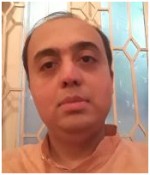
डॉ. मनीष अग्रवाला कोलकाता सॆ हैं। उन्होंने बर्दवान मेडिकल कॉलेज से अध्ययन किया है और कोलकाता के प्रसिद्ध होम्योपैथिक चिकित्सक डॉ. धनंजय रे के तहत अनुभव प्राप्त किया है। वह हैनिमैन, हीरिंग, लिप्पे और एलन की परंपरा मॆं होम्योपैथी के अध्ययन और अभ्यास की वकालत करते हैं । आप बर्मा की परंपरा में विपश्यना ध्यान का अभ्यास करते हैं और साथ ही मॆ आपनॆ भगवान् बुद्ध की शिक्षाओं और जे कृष्णमूर्ति की शिक्षाओं पर गहराई से शोध किया है। आप तक पहुँचनॆ कॆ लियॆ https://www.facebook.com/manish.agarwala.12 पर जा कर संपर्क कर सकतॆ हैं ।
This app has been developed using the experience of medical homeopaths worldwide who have responded to requests for help by COVID-19 patients. As is often the case in epidemics, a small number of remedies are perceived to be helpful by a large proportion of patients. This app is designed to facilitate choice between the three which have been found to be the most common, Arsenicum album, Bryonia alba and Gelsemium sempervirens. Further medicines may be added as and when more data are available. Background information is give in a separate document of the Liga Medicorum Homeopathica Internationalis (LMHI).
Case Management of the COVID-19 Patient with Genuine Homeopathy – An update by Andre Saine, presented by the Canadian Academy of Homeopathy and the American Institute of Homeopathy on 2nd may 2020 .
क्या रमजान मॆं बैच फ़्लावर औषधियां मदद कर सकती हैं तो जबाब है हाँ । आईयॆ देखते हैं कि BFR रोजेदारॊ या उपासकॊ की कैसे मदद कर सकती हैं ।
💐👉 BFR में सबसे पहलॆ नाम आता है वालनट ( Walnut ) का । Walnut link breaker का रोल करती है । चूँकि रमजान के दिनों में रोज का समय बद्ल जाता है और वालनट इसकॊ संतुलित कर लेता है ।
🌿👉अगर रमजान के दिनों मॆ कब्जियित , दस्त आना , गैस और तेजाबयित का बनना या इससे मिलती कोई भी समस्या हो , उसमें Walnut + Crab Apple देने से लाभ पहुँचता है ।
🌻👉CHERRY PLUM यह उन लोगों के लिये है जिनका खाने पीने पर कोई कन्ट्रोल नही रहता । जो उपवास नही रख सकते और भूख प्यास नही सहन कर सकतॆ ।
🌾👉OLIVE: एक तरह से देखा जाय तो ओलिव टानिक का काम करती है । रोजे से उत्पन्न कमजोरी को तो दूर करती है और साथ ही में मानसिक और शारिरिक रुप से इन्सान को सम्बल प्रदान करती है ।
🌲👉PINE : रोजा न रख पाने के कारण पशचताप होना , बार २ ऊपर वालॆ से माफ़ी माँगना ।
🌴👉HORNBEAM : जब कोई उपासक के मन मॆ यह दुविधा हो कि क्या मै उपवास रख सकूँगा ।
🍃👉IMPATIENTS : रोजे के दौरान किसी का स्वभाव जल्द ही क्रोधित हो जाना और उतनी जल्दी गुस्सा शान्त भी हो जाना ।
🍁👉LARCH : हिम्मत देना लार्च का स्वभाव है । जब किसी उपासक के मन मॆ यह धारणा बन जाय कि वह उपवास नही रख सकता ।
🍄👉RESCUE REMEDY : रेसक्यू रेमेडी का रोल वृहद है । किसी भी आपातकालीन स्थिति मे इसका रोल है ।
लेखक :
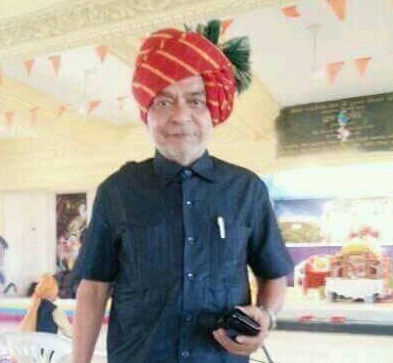
डा. बिपिन काकड : होम्योपैथिक चिकित्सा पद्धति मे तो निपुण है ही लेकिन साथ बैच फ़्लावर विशॆयज्ञ के रुप में राजकोट , गुजरात से डा. बिपिन काकड जी की पहचान है । फ़ेसबुक पर उनका ” बैच फ़्लावर स्टडी ग्रुप ” अल्प समय मॆ ही लोकप्रिय हो चुका है । इस ब्लाग मॆ उनकी यह पहली पोस्ट है | अपनॆ अनुभवॊ को एसे ही साझा करते रहेगॆ , ऐसा हमारा विशवास है ।








 होम्योपैथी-नई सोच/नई दिशायें
You must be logged in to post a comment.